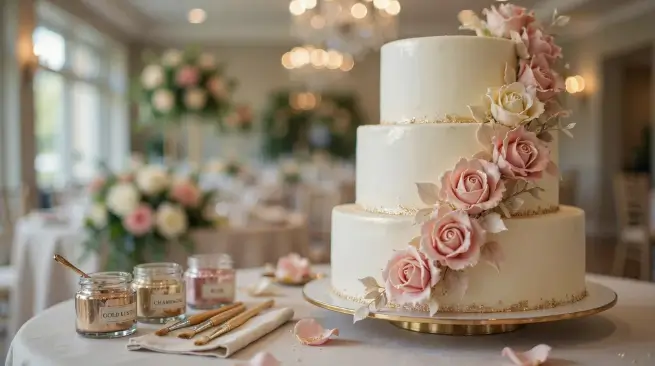
Decorating desserts has become an art form, and one of the easiest ways to make cakes, cupcakes, cookies, and pastries stand out is by using edible glitter. A subtle sparkle can transform a simple dessert into a centerpiece worthy of birthdays, weddings, anniversaries, or holiday celebrations. However, there is a fine line between adding elegance and creating a dessert that looks overly flashy.
Knowing how to use luster dust, edible glitter, and edible luster dust correctly helps achieve professional-looking results while maintaining the beauty of your baked creations. Whether you’re a beginner baker or an experienced cake decorator, learning the right techniques can make a significant difference.
In this guide, you’ll discover practical tips, common mistakes to avoid, and creative ways to use edible glitter without overdoing it.
Why Edible Glitter Has Become So Popular
Dessert trends continue to evolve, but sparkle has remained timeless. Social media has inspired home bakers and professionals alike to create eye-catching desserts that photograph beautifully.
Edible glitter offers several benefits:
- Adds instant elegance
- Creates depth and dimension
- Highlights decorative details
- Enhances themed celebrations
- Makes desserts more visually appealing
The key is understanding that sparkle should complement your design rather than dominate it.
Understanding the Difference Between Edible Glitter and Luster Dust
Many people assume these products are interchangeable, but they serve different purposes.
Edible Glitter
Edible glitter consists of food-safe sparkling particles designed to create a shimmering effect. It reflects light beautifully and works well as a finishing touch on cakes, cookies, chocolates, candies, and beverages.
Its primary purpose is to add sparkle.
Luster Dust
Luster dust is an ultra-fine decorative powder that provides a metallic or pearlescent finish. Instead of creating large sparkles, it produces a smooth sheen.
It is commonly used for:
- Fondant decorations
- Gum paste flowers
- Chocolate decorations
- Royal icing
- Macarons
- Sugar cookies
Edible Luster Dust
Edible luster dust combines beauty with food safety. Since it is intended for consumption, decorators can confidently apply it directly to desserts.
High-quality edible decorating products deliver vibrant color, consistent coverage, and professional results, making them ideal for both hobbyists and commercial bakers.
Start with Less Than You Think You Need
One of the biggest mistakes beginners make is applying too much glitter at once.
Sparkle becomes more attractive when it’s subtle.
Instead of covering the entire dessert, begin with a light dusting. You can always add another layer if necessary.
Professional decorators often follow the “less is more” approach because it allows individual design elements to remain visible.
A delicate shimmer often appears far more luxurious than heavy glitter coverage.
See also: TruLife Distribution Lawsuit Explained: Allegations, CEO Role, and Business Conflict Overview
Highlight Key Areas Instead of Everything
Think of edible glitter as a finishing accent rather than the main decoration.
Consider highlighting:
- Cake borders
- Sugar flowers
- Fondant bows
- Cookie edges
- Buttercream swirls
- Chocolate drips
- Decorative lettering
By focusing sparkle on specific areas, you naturally guide the viewer’s attention toward the most beautiful parts of your dessert.
Match the Glitter Color to Your Theme
Choosing the right color is just as important as deciding how much glitter to apply.
For elegant weddings:
- Pearl
- White
- Silver
- Champagne
For birthdays:
- Gold
- Pink
- Blue
- Rainbow
For holidays:
- Red and green
- Gold
- Silver
- Emerald
For baby showers:
- Soft pink
- Baby blue
- Lavender
- White shimmer
Using complementary colors keeps decorations balanced rather than overwhelming.
Choose the Right Finish
Not every dessert benefits from intense sparkle.
There are several finishes available:
Soft Pearl
Ideal for:
- Wedding cakes
- Baby shower desserts
- Elegant cookies
Metallic
Perfect for:
- Celebration cakes
- Holiday treats
- Chocolate decorations
Fine Glitter
Best for:
- Cupcakes
- Donuts
- Cake pops
Extra Sparkle
Works well for:
- Party desserts
- Themed events
- Children’s birthday cakes
Selecting the appropriate finish helps maintain harmony throughout your design.
Apply Glitter with the Proper Tools
Using the correct tools prevents uneven coverage.
Some of the best options include:
Food-Safe Brushes
Perfect for detailed work on fondant, gum paste, and cookies.
Soft Powder Brushes
Useful for applying luster dust evenly across larger surfaces.
Fine Mesh Sifters
Help distribute edible glitter lightly over buttercream or whipped frosting.
Airbrush Techniques
Professional decorators sometimes mix edible luster dust with food-safe alcohol for smooth spraying.
Each technique produces a different visual effect, so experimenting helps determine which method works best for your decorating style.
Focus on Balance
Balance separates amateur decorating from professional presentation.
If one side of the cake has glitter, consider adding a subtle amount to another area rather than covering every surface.
A balanced design creates visual harmony.
For example:
- Glitter on flowers only
- Shimmer on cake topper only
- Sparkle around the bottom border
- Metallic accents on decorative leaves
These smaller touches create sophistication.
Pair Glitter with Neutral Decorations
When everything sparkles, nothing stands out.
Instead, combine glitter with matte textures such as:
- Smooth buttercream
- White fondant
- Fresh flowers
- Chocolate decorations
- Minimal piping
The contrast allows the shimmer to become the focal point without overwhelming the entire dessert.
Consider Lighting
Edible glitter reflects light differently depending on the environment.
Natural daylight often produces a soft glow.
Indoor event lighting may intensify sparkle.
Before serving, place the decorated dessert under similar lighting conditions to ensure the effect remains elegant.
Sometimes reducing glitter slightly creates a better appearance once venue lighting is considered.
Use Different Decorative Elements Together
Professional cake decorators rarely rely on glitter alone.
Instead, they combine multiple decorative techniques, including:
- Buttercream textures
- Fresh fruit
- Sugar flowers
- Chocolate sails
- Gold leaf
- Piped borders
- Fondant decorations
Edible glitter works best as one component within a larger decorative design.
Avoid Covering Every Surface
A common decorating mistake is adding glitter to:
- Every flower
- Every swirl
- Every cookie
- Every cupcake
- Every decorative piece
Instead, choose one feature to emphasize.
For example, if your cake includes beautiful handcrafted flowers, lightly dust only the flower petals with edible luster dust while leaving the rest matte.
The flowers instantly become the focal point.
Think About Dessert Size
Small desserts require much less glitter.
Mini cupcakes, cake pops, macarons, and cookies can quickly appear overloaded.
A single gentle brush of shimmer is usually enough.
Large tiered cakes, on the other hand, can support slightly more sparkle because the decoration is spread over a greater surface area.
Always adjust the amount according to dessert size.
Practice Before Decorating Important Cakes
Every decorating product behaves slightly differently.
Before decorating a wedding or celebration cake:
- Test on a cookie
- Practice on fondant scraps
- Try different brushes
- Compare application methods
Testing helps avoid surprises and builds confidence before working on important desserts.
Store Decorative Products Properly
Proper storage helps preserve color, sparkle, and consistency.
Keep edible glitter and luster dust:
- In tightly sealed containers
- Away from moisture
- Away from direct sunlight
- Stored at room temperature
Well-maintained products provide smoother application and longer shelf life.
Choose High-Quality Decorating Products
Quality plays a major role in achieving professional results.
Premium decorating products typically offer:
- Richer color
- Better sparkle
- Even coverage
- Finer texture
- Reliable food safety
Many experienced bakers prefer trusted suppliers that specialize in edible decorating products because consistent quality makes decorating easier and produces more refined results.
Reliable collections of edible glitter, luster dust, and edible luster dust provide decorators with numerous color options suitable for weddings, birthdays, seasonal celebrations, and professional bakery work.
Common Mistakes to Avoid
Avoid these frequent decorating errors:
Applying Too Much
Heavy glitter hides decorative details.
Mixing Too Many Colors
Using several glitter colors on one dessert can appear cluttered.
Ignoring the Theme
Elegant events usually call for subtle shimmer, while children’s parties allow more creativity.
Uneven Application
Random patches of glitter reduce the overall professional appearance.
Choosing Decoration Before Design
Always complete the dessert first, then decide where sparkle will enhance it.
Creative Ways to Use Edible Glitter Tastefully
If you’re looking for inspiration, consider these elegant ideas.
Wedding Cakes
Apply pearl shimmer to sugar flowers and cake edges.
Birthday Cakes
Highlight buttercream swirls with soft gold sparkle.
Cookies
Dust royal icing with a light layer of edible glitter.
Macarons
Brush edible luster dust across the shells for a luxurious finish.
Chocolate-Covered Strawberries
Add shimmer to the chocolate coating while leaving the fruit natural.
Cupcakes
Decorate only the frosting peaks instead of covering the entire cupcake.
Cake Pops
Accent drizzle lines with fine glitter rather than coating the whole pop.
Each approach creates visual interest while maintaining an elegant presentation.
Frequently Asked Questions
Is edible glitter safe to eat?
Yes. Genuine edible glitter is made from food-safe ingredients intended for consumption. Always verify that the product label clearly states it is edible.
What is the difference between edible glitter and edible luster dust?
Edible glitter creates visible sparkling effects, while edible luster dust produces a smooth metallic or pearlescent sheen. Both serve different decorative purposes.
Can edible glitter be used on buttercream?
Absolutely. It works beautifully on buttercream frosting, especially when applied lightly with a soft brush or fine sifter.
How do professionals apply luster dust?
Many professionals use food-safe brushes for dry application or mix edible luster dust with food-grade alcohol to create paint for detailed decorations.
How can I prevent using too much edible glitter?
Start with a very light application and gradually build the effect if needed. Focusing on specific decorative elements instead of the entire dessert creates a more elegant look.
Where can I find high-quality edible glitter and luster dust?
Purchasing from reputable specialty suppliers ensures you receive food-safe products with vibrant colors, smooth application, and reliable performance for professional-quality cake decorating.
Conclusion
Using edible glitter, luster dust, and edible luster dust effectively is all about balance. Sparkle should enhance your dessert, not overpower it. A thoughtful application, the right color choices, and high-quality decorating products can transform ordinary baked goods into memorable creations that impress guests while maintaining a refined appearance.
Whether you’re decorating cookies for a family gathering, cupcakes for a birthday party, or a multi-tier wedding cake, subtle shimmer often delivers the most professional results. By focusing on key details instead of covering every surface, you’ll create desserts that look polished, elegant, and beautifully finished.