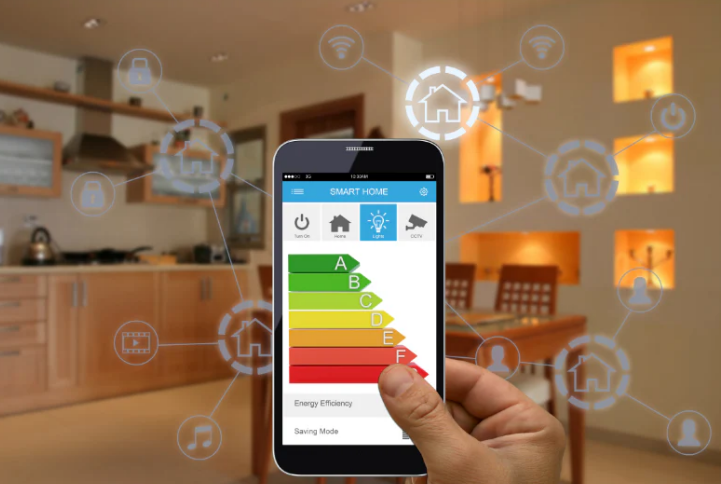
Smart technology for energy saving represents a significant advancement in optimizing energy consumption within residential settings. Devices such as smart thermostats and intelligent lighting systems adjust based on user habits and environmental factors, leading to more efficient energy use. Additionally, monitoring systems provide valuable insights into consumption patterns. However, the implications of these technologies extend beyond mere convenience, raising questions about their long-term impact on sustainability and energy management. What factors should homeowners consider when integrating these solutions?
Smart Thermostats: Optimizing Home Heating and Cooling
As households increasingly seek ways to reduce energy consumption, smart thermostats have emerged as a pivotal solution for optimizing home heating and cooling.
By utilizing smart scheduling, these devices adapt to individual routines, ensuring energy is used only when needed.
With remote access capabilities, users can control their home environment from anywhere, promoting efficient energy management and fostering a sense of autonomy over personal comfort.
Intelligent Lighting Solutions: Enhancing Efficiency and Convenience
Smart thermostats have set a precedent for how technology can enhance energy efficiency in homes, paving the way for other innovations such as intelligent lighting solutions.
These systems utilize adaptive controls to optimize illumination based on occupancy and natural light levels, providing significant energy savings.
With remote access capabilities, users can effortlessly manage their lighting, promoting convenience while supporting sustainable living.
Energy Monitoring Systems: Tracking Consumption for Better Decisions
While traditional energy management often relies on estimates and assumptions, energy monitoring systems provide real-time data that empowers homeowners to make informed decisions regarding their consumption.
See also: Smart Technology and Its Applications
Smart Appliances: Reducing Energy Use Without Compromise
Though energy efficiency is often seen as a compromise between performance and sustainability, smart appliances are revolutionizing this perception by seamlessly integrating advanced technology into everyday tasks.
Smart refrigerators optimize cooling based on usage patterns, while automated laundry systems adjust cycles for maximum efficiency.
These innovations empower consumers to reduce energy consumption without sacrificing convenience, ultimately promoting a lifestyle that embraces both freedom and responsibility.
Conclusion
In conclusion, the integration of smart technology for energy saving represents a transformative shift in how households manage their energy consumption. With smart thermostats capable of reducing heating and cooling bills by up to 30%, homeowners can significantly lower costs while minimizing their environmental footprint. This data underscores the potential of intelligent systems not only to enhance convenience but also to foster a culture of responsible consumption, ultimately contributing to a more sustainable future.